
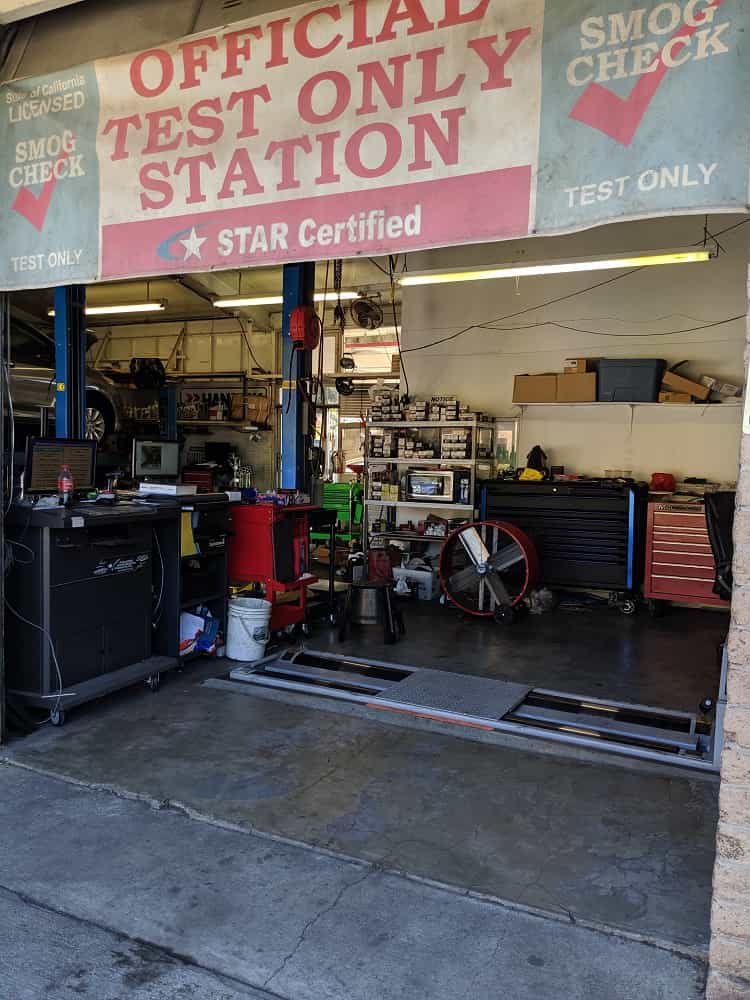
Smog Check Station Near Me: Everything You Need to Know
Introduction
Vehicle emissions testing, often referred to as a smog check, is a critical part of car ownership in many states. It ensures that vehicles meet air quality standards and do not contribute excessively to pollution. For many car owners, the phrase “smog check station near me” is a common search when the registration deadline looms or a check engine light comes on. This guide will walk you through everything you need to know about smog check stations—from why they exist to how to find a reliable and affordable one near you.
Table of Contents
- What Is a Smog Check?
- Why Smog Checks Are Important
- States That Require Emissions Testing
- Types of Smog Check Stations
- How to Find a Smog Check Station Near Me
- What Happens During a Smog Check?
- Preparing for a Smog Check
- Common Reasons Vehicles Fail
- Tips to Pass the Smog Test
- Cost of a Smog Check
- Retest Procedures
- What to Do If You Fail
- Exemptions from Smog Testing
- How Often Smog Checks Are Required
- Choosing the Right Smog Check Station
- Online Reviews and Recommendations
- Chain vs Independent Stations
- Mobile Smog Check Services
- Smog Check for Older Vehicles
- Fleet and Commercial Vehicle Testing
- Smog Check and Vehicle Registration
- DIY Pre-Test Inspections
- Eco-Friendly Driving and Emissions
- Technological Advances in Emissions Testing
- The Future of Emissions Standards
- Conclusion
1. What Is a Smog Check?
A smog check, or emissions test, is a state-mandated inspection that ensures a vehicle is not releasing harmful pollutants into the atmosphere. The test measures various gases like carbon monoxide (CO), hydrocarbons (HC), and nitrogen oxides (NOx) from the vehicle’s exhaust system.
2. Why Smog Checks Are Important
Air pollution is a major environmental concern. Smog checks help reduce emissions that contribute to health issues such as asthma, bronchitis, and other respiratory conditions. They also protect the environment by reducing pollutants that lead to acid rain and global warming.
3. States That Require Emissions Testing
While not all U.S. states mandate smog checks, many do—especially urban areas where pollution levels are higher. California, Texas, Arizona, and Illinois are known for their strict emissions requirements. Always check with your local DMV or environmental agency for current laws.
4. Types of Smog Check Stations
There are two main types of smog check stations:
- Test-Only Stations: Perform emissions testing but do not offer repairs.
- Test-and-Repair Stations: Conduct emissions tests and can also fix issues if your car fails.
Some states have STAR-certified stations, which meet higher performance standards.
5. How to Find a Smog Check Station Near Me
To find a smog check station nearby:
- Use online search engines with terms like “smog check near me” or “emissions testing station.”
- Use Google Maps, Yelp, or DMV websites.
- Check with auto repair shops—many are certified testing stations.
Look for certifications and licenses prominently displayed.
6. What Happens During a Smog Check?
The testing process includes:
- Visual Inspection: Checking for tampered or missing emission control parts.
- Functional Inspection: Verifying that onboard diagnostics (OBD) and sensors are working properly.
- Tailpipe Emissions Test: Measuring exhaust gases using a probe while the car runs on a dynamometer (older vehicles only).
Modern vehicles rely heavily on OBD readings.
7. Preparing for a Smog Check
To prepare your vehicle:
- Ensure the check engine light is off.
- Drive your vehicle at highway speeds for 10–20 minutes before testing.
- Perform regular maintenance: change oil, air filters, and spark plugs.
- Inflate your tires properly (especially for dyno testing).
- Use a fuel additive to clean the fuel system if needed.
8. Common Reasons Vehicles Fail
Vehicles often fail for:
- Check engine light being on
- Faulty oxygen sensors
- Worn spark plugs
- Malfunctioning catalytic converter
- Leaks in the vacuum system
- Dirty air filters
Identifying and fixing these early can prevent failure.
9. Tips to Pass the Smog Test
- Clear any diagnostic trouble codes (DTCs).
- Warm up your vehicle beforehand.
- Use premium fuel a few days before the test.
- Avoid testing on very cold or hot days.
- Replace faulty emission parts in advance.
10. Cost of a Smog Check
Prices vary by location and station type but generally range from $30 to $70. Some shops offer online coupons or discounts—search for “cheap smog check near me” to find deals.
Additional fees may apply for certificates or retests.
11. Retest Procedures
If your vehicle fails:
- Repair the identified issues.
- Retest within the allowed time frame (usually 30–60 days).
- In some states, one free retest is included if done at the same station.
Always keep your repair receipts.
12. What to Do If You Fail
If you fail:
- Ask for a detailed failure report.
- Get repairs done by a licensed smog repair technician.
- Retest promptly.
- You may be eligible for financial assistance or a waiver if repairs are costly.
13. Exemptions from Smog Testing
Common exemptions include:
- Electric vehicles (EVs)
- Hybrids in some states
- Gas-powered vehicles under a certain age (e.g., less than 4 years old)
- Motorcycles and trailers in many states
- Diesel vehicles over certain weight limits
14. How Often Smog Checks Are Required
Typically:
- Every 2 years in most states
- Upon vehicle registration or title transfer
- When moving to a new area with stricter rules
Check your registration renewal notice for exact dates.
15. Choosing the Right Smog Check Station
Consider the following:
- Certification (STAR, ASE, etc.)
- Online ratings and customer reviews
- Cost and available discounts
- Cleanliness and professionalism
- Wait times and appointment options
16. Online Reviews and Recommendations
Sites like Yelp, Google Reviews, and Angie’s List offer insights into:
- Customer satisfaction
- Pricing transparency
- Service speed
- Honesty of test results
Read both positive and negative reviews before deciding.
17. Chain vs Independent Stations
Chain Stations (like Jiffy Lube):
- Consistent pricing
- Convenient hours
- Upselling may occur
Independent Stations:
- Personalized service
- Potentially lower prices
- May offer repairs on-site
18. Mobile Smog Check Services
Mobile services are growing in popularity, especially in California. These services come to your home or workplace and conduct emissions testing. They’re ideal for busy schedules and fleet services.
19. Smog Check for Older Vehicles
Older cars are more likely to fail. They may require:
- Tailpipe emissions testing
- Functional inspections of outdated components
- More repairs to meet modern standards
Some states offer classic car exemptions or rolling 25-year exemptions.
20. Fleet and Commercial Vehicle Testing
Fleet managers must:
- Maintain emissions logs
- Test all vehicles on schedule
- Use approved testing stations or mobile units
- Follow stricter state and federal emissions rules
21. Smog Check and Vehicle Registration
In many states, you cannot renew your registration without passing a smog test. Some DMVs automatically receive test results electronically from certified stations. Always test early to avoid delays or late fees.
22. DIY Pre-Test Inspections
You can perform a basic check by:
- Using an OBD-II scanner
- Checking for any active DTCs
- Ensuring no dashboard warning lights are on
- Inspecting hoses, filters, and sensors
Many auto parts stores offer free diagnostic scans.
23. Eco-Friendly Driving and Emissions
Good driving habits reduce emissions and help pass tests:
- Avoid aggressive driving
- Use cruise control on highways
- Keep up with oil and fluid changes
- Use low-emission fuel if available
Eco-conscious driving extends vehicle life and reduces smog.
24. Technological Advances in Emissions Testing
Modern advancements include:
- Real-time remote emissions monitoring
- Wireless vehicle diagnostics
- AI-assisted inspections
- Paperless DMV certifications
Expect faster, more accurate, and less invasive testing in the future.
25. The Future of Emissions Standards
As electric vehicles rise and stricter emissions laws are adopted, smog checks may evolve or phase out in certain areas. However, gas-powered vehicles will likely need testing for decades. Keep your car compliant to avoid penalties and environmental harm.
26. Conclusion
Finding a reliable smog check station near you doesn’t have to be a stressful experience. With proper preparation, regular maintenance, and the right station, your vehicle can pass the emissions test smoothly. Whether you’re driving a newer hybrid or an older gasoline vehicle, staying informed and proactive is the key to navigating your local smog check requirements.
Always remember: a clean emissions test not only keeps your car legal but also contributes to cleaner air and a healthier planet.
Let me know if you’d like this formatted for a blog, broken into multiple pages, or tailored to a specific city or vehicle type.