
Smog Center Near Me — Your Complete Guide to Fast, Reliable Smog Checks
Meta description: Need a smog check nearby? Learn what to expect, how to prepare, how much it costs, why smog checks matter, and tips to pass — plus a checklist to bring to your local Smog Center so you’re in and out fast.
Introduction
If you’ve ever typed “Smog Center near me” into a search bar, you know how important it is to find a reliable, fast, and affordable place to get your vehicle’s smog inspection. Whether it’s required for registration renewal, sale of a vehicle, or just peace of mind, a smog check is a short but essential step in vehicle ownership. This guide walks you through everything: what a smog check is, what to bring, how the test works, common reasons for a failed test, how to prepare, and how to choose the best Smog Center near you.
What is a smog check?
A smog check measures a vehicle’s emissions to make sure it meets state and regional air-quality standards. The specific tests vary by vehicle type and age, but most modern cars undergo an emissions analyzer test (tailpipe test) plus an on-board diagnostics (OBD-II) check. The goal is to reduce harmful pollutants like hydrocarbons (HC), nitrogen oxides (NOx), carbon monoxide (CO), and particulate matter.
Smog checks are mandated by several states and regions to curb air pollution from automobiles and improve public health. If your state requires smog testing, you’ll need to pass before renewing registration or completing certain transactions.
Why choose a local Smog Center?
- Convenience: Short travel time and fewer surprises on the day of the test.
- Speed: Local centers often turn cars around quickly — many are walk-in friendly.
- Familiarity: Local techs know area-specific emissions requirements and can offer targeted pre-test advice.
- Trust: You can visit again easily if the vehicle fails and needs retesting or repair.
What to expect during your visit
- Check-in: Provide registration, ID, and any required paperwork.
- Vehicle inspection: Technician checks VIN, emissions label, gas cap, and looks for obvious leaks or issues.
- OBD-II scan: For 1996 and newer vehicles, the technician will hook up a scan tool to check the engine’s diagnostic system and emissions-related monitors.
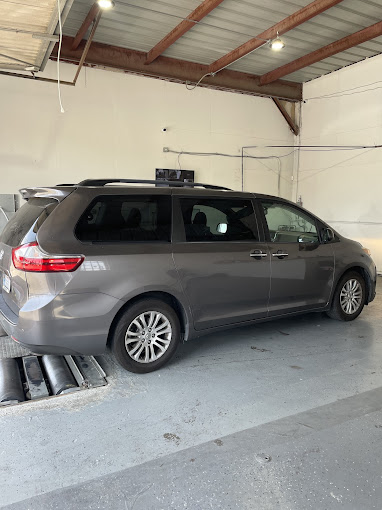
- Tailpipe test (if required): The tester reads emissions directly from the exhaust while the engine idles or at specified RPMs.
- Finalization: If the vehicle passes, you receive a certificate or electronic record. If it fails, the technician explains the reasons and potential next steps.
Time to plan for: 15–45 minutes for most vehicles; older or failing vehicles may take longer.
What to bring to the Smog Center
- Vehicle registration (or renewal notice).
- Driver’s license or government ID.
- Proof of previous smog test if requested (rare).
- Any paperwork from repair shops if the vehicle recently had emissions-related work.
- Payment — many centers accept cash, card, and contactless payments.
How much does a smog check cost?
Prices vary by state, region, and facility. Typical ranges:
- Basic smog check (most cars): $30–$70
- Diesel or specialty vehicles: higher, sometimes $60–$120
- Certificate fee or state processing fee: may be additional
Some centers offer discounts (seniors, fleet, first-time customers) or bundle deals (smog check + minor inspection). Always ask about the total, including taxes and administrative fees, before testing.
Common reasons vehicles fail a smog check
Understanding why cars fail can save time, money, and frustration. Frequent failure causes include:
- Check Engine Light (CEL) on: Any illuminated warning light related to emissions usually triggers an automatic fail.
- Incomplete OBD monitors: If the vehicle’s diagnostic monitors haven’t completed, often after a battery disconnect or recent service, it might fail.
- Faulty oxygen sensor(s): Old or failing O2 sensors lead to rich/lean fuel mixtures and higher emissions.
- Catalytic converter problems: A damaged or clogged converter dramatically raises emissions.
- Vacuum leaks or intake leaks: These affect engine idle and emissions control.
- Worn spark plugs/wiring: Poor combustion increases hydrocarbons and CO.
- Bad gas cap: A cracked or loose gas cap can trigger evap system leaks and cause a failure.
- Excessive oil burning or smoke: Visible smoke or excessive oil consumption is a fail in many jurisdictions.
Preparation checklist — how to improve your chances of passing
- Fix known issues first: If the CEL is on, get diagnostics and repair before testing.
- Drive the vehicle before the test: A 20–30 minute drive at highway speeds can help the OBD monitors complete and the catalytic converter reach optimal temperature.
- Check the gas cap: Make sure it’s tight and undamaged.
- Warm the engine: Drive the vehicle until it reaches normal operating temperature.
- Perform basic maintenance: Fresh spark plugs, a new air filter, and clean fuel system can improve emissions.
- Use a higher-octane fuel only if recommended: Don’t overdo fuel additives; use those recommended by the manufacturer.
- Address oil leaks and heavy smoke: Visible smoke can be an automatic fail.
- Avoid scheduling immediately after major repairs: Let the car complete its OBD readiness cycle first.
What happens if your car fails?
- Repair options: The center usually provides a failure report detailing which emissions parameters are out of range.
- Repair shops: Many Smog Centers partner with local repair shops and can refer you. Some centers offer basic troubleshooting and minor fixes.
- Retest policy: States often allow a free or discounted retest if you return within a certain period after repairs. Ask your smog station about their retest window and policy.
- Financial assistance: Some regions have programs to assist low-income owners with emissions repairs — check with local air quality boards or DMV.
How to choose the best Smog Center near you
When searching “Smog Center near me”, consider:
- Certification: Make sure the center is state-licensed or certified to perform smog checks.
- Reviews and reputation: Look for consistent positive feedback on speed, honesty, and customer service.
- Turnaround time: If you’re in a hurry, call ahead to ask about wait times and walk-in availability.
- Equipment: Modern, calibrated equipment yields more reliable results.
- Price transparency: Ask for the full price up front (including taxes/fees).
- Location & hours: Choose one with convenient hours, including evenings or weekends if needed.
- Warranty or guarantee: Ask if they offer a guaranteed pass after recommended repairs or a retest policy.
How long do smog certificates last?
This varies by state. Many places require an annual or biennial smog check as part of vehicle registration renewal. Some transactions — like change of ownership — also trigger a smog requirement. Always check your state DMV or local authority for exact timelines.
Special cases: classic cars, diesel, modified vehicles
- Classic or historic vehicles: Some states exempt vehicles over a certain age or with collector status. Check local rules.
- Diesel vehicles: Diesel smog tests may be different or more stringent and could require a particulate inspection.
- Modified or performance vehicles: Modifications (engine swaps, aftermarket exhaust, or altered emissions systems) may complicate testing; some mods can cause a fail due to non-compliance.
Pricing transparency & ways to save
- Shop around: Prices can differ — call nearby centers for quotes.
- Coupons and promotions: Many centers run online coupons or discounts for first-time customers.
- Combine services: Some shops bundle a basic maintenance tune-up with the smog test for less than separate services.
- Ask about retest policies: If repairs are needed, a free retest window can save money.
Sample interaction script — what to say when you call
You: Hi, I need a smog check for my 2014 sedan. How much do you charge, and do you accept walk-ins?
Center: We charge $39.95 plus state fees. We accept walk-ins M–F; wait time is usually 15–30 minutes. If your car fails and you get repairs, you can come back for a free retest within 30 days.
You: Great — what should I bring?
Center: Bring your registration and a photo ID. Make sure the car has been driven recently so all OBD monitors are ready.
Customer service best practices you should expect
- Clear pricing up front.
- Friendly staff who explain the test and results.
- Detailed failure report if the vehicle doesn’t pass.
- Options for retesting and referrals for repairs.
- State certification displayed and visible.
SEO-friendly content elements for your Smog Center page
If you’re creating a webpage for a local Smog Center, include:
- Title tag: Smog Center Near Me — Fast, Certified Smog Checks & Retests
- Meta description: Quick, certified smog checks for cars, trucks, and SUVs. Walk-ins welcome. Free retest window. Call for availability.
- Header structure: H1 (Smog Center Near Me), H2s for services, preparation, FAQ, contact.
- Local keywords: “Smog check [city name]”, “smog station near [ZIP code]”, “cheap smog check near me”, “certified smog technician [city]”.
- NAP: Name, Address, Phone — visible and consistent with Google Business Profile.
- Business hours: Include holidays and special closures.
- Schema (LocalBusiness) JSON-LD snippet (customize with your details):
jsonCopyEdit{
  "@context": "https://schema.org",
  "@type": "AutoRepair",
  "name": "Your Smog Center Name",
  "image": "https://example.com/photos/garage-front.jpg",
  "address": {
    "@type": "PostalAddress",
    "streetAddress": "123 Main St",
    "addressLocality": "YourCity",
    "addressRegion": "CA",
    "postalCode": "90000",
    "addressCountry": "US"
  },
  "telephone": "+1-555-555-5555",
  "priceRange": "$$",
  "openingHours": [
    "Mo-Fr 08:00-18:00",
    "Sa 09:00-14:00"
  ],
  "geo": {
    "@type": "GeoCoordinates",
    "latitude": "34.0522",
    "longitude": "-118.2437"
  }
}
FAQ — quick answers
Q: Can I fail the smog test with the Check Engine light off?
A: Yes. Even with no light, sensors and emissions may be out of range. Conversely, a lit Check Engine light usually results in an automatic fail.
Q: What if my car recently had a battery replaced?
A: Battery disconnection can erase OBD readiness monitors. Drive the vehicle for several days or perform a drive cycle to allow monitors to reset before testing.
Q: How soon can I get a retest after repairs?
A: Policies vary — many centers allow a free retest within 7–30 days. Ask at the time of service.
Q: Are smog tests required for hybrid vehicles?
A: Most hybrids 1996 and newer require OBD checks; tailpipe testing depends on local rules.
Q: What if my vehicle is out-of-state?
A: Out-of-state vehicles may have different requirements; registration offices often need an official smog certificate from a licensed facility in your state.
Final tips — reduce stress and save time
- Call ahead to check wait times or schedule an appointment.
- Drive the car beforehand so the engine and catalytic converter are at normal operating temperature.
- Bring the right documents to avoid delays.
- Ask about retest policies and discounts before the test.
- Keep maintenance records — they help when diagnosing failures.
Conclusion
Typing “Smog Center near me” shouldn’t be stressful. With the right expectations and a bit of preparation, a smog check is typically quick and straightforward. Choose a certified local Smog Center with transparent pricing, friendly staff, and a clear retest policy to make the experience painless. If your vehicle fails, use the failure report to guide repairs, then retest — many owners get through the process with one minor repair and a free retest.