
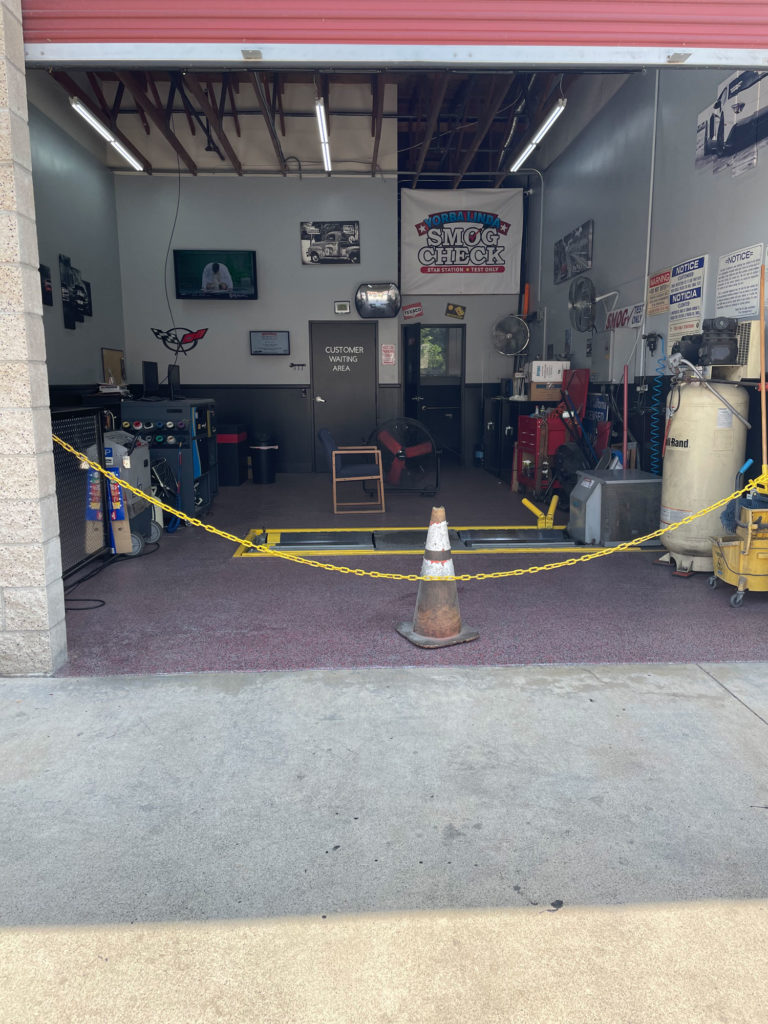
Emissions Test Locations Near Me: A Comprehensive Guide
Introduction
Vehicle emissions testing plays a critical role in maintaining air quality, reducing pollution, and ensuring cars run efficiently. Whether you’ve recently moved, purchased a used vehicle, or received a DMV renewal notice, finding a reliable and affordable emissions test location near you can be essential. This comprehensive guide will walk you through everything you need to know—why emissions tests are important, how the process works, where to go, what to expect, and how to find the best emissions test locations near you.
What is an Emissions Test?
An emissions test, also known as a smog check or emissions inspection, is a procedure that measures the pollutants emitted by your vehicle’s exhaust. These tests determine if your vehicle complies with state or federal environmental standards designed to protect air quality.
Key Pollutants Measured:
- Carbon Monoxide (CO)
- Nitrogen Oxides (NOx)
- Hydrocarbons (HC)
- Particulate Matter (PM)
- Carbon Dioxide (CO₂)
Failing to pass an emissions test may prevent you from renewing your vehicle registration and could require repairs to meet compliance standards.
Why Emissions Testing Matters
1. Environmental Protection
Air pollution from vehicles contributes to smog, acid rain, respiratory illness, and global warming. Testing helps identify and fix high-emitting cars.
2. Legal Compliance
Most states and counties have mandatory emissions testing laws. Failing to complete it can result in registration denial or fines.
3. Vehicle Performance
A vehicle that fails emissions often has underlying mechanical problems that affect performance and fuel economy.
Types of Emissions Tests
The type of test your vehicle undergoes may depend on its age, fuel type, and location. Common tests include:
1. OBD-II Test
For vehicles made after 1996, technicians check the onboard diagnostics system for trouble codes that indicate emissions issues.
2. Tailpipe Emissions Test
For older vehicles, emissions are measured directly from the tailpipe while the car runs on a dynamometer.
3. Visual Inspection
Technicians check the emissions system components (e.g., catalytic converter) for tampering or visible defects.
4. Gas Cap Test
Ensures the gas cap seals properly to prevent fuel vapor leaks.
Emissions Test Requirements by Location
Different states and counties have specific requirements. Some areas require testing only for certain model years or vehicle types.
Examples:
- California: Biennial smog checks required for most vehicles older than eight years.
- Texas: Emissions tests are required in major urban counties like Harris, Travis, and Dallas.
- Illinois: Required in the Chicago and Metro East St. Louis areas for vehicles 1996 or newer.
- Arizona: Mandatory in Phoenix and Tucson metro areas.
Where to Find Emissions Test Locations Near Me
Finding emissions testing locations nearby is easier than ever thanks to online tools, government resources, and third-party directories.
1. State DMV Websites
Most Department of Motor Vehicles (DMV) websites offer a searchable directory of certified emissions testing stations. Example search: “DMV emissions testing locations [Your State/County].”
2. Online Maps and Directories
Search Google Maps or Apple Maps with queries like:
- “Emissions test near me”
- “Smog check station near me”
- “Vehicle inspection station near me”
Look for places with high ratings, customer reviews, and clear pricing.
3. Chain Auto Shops
Several well-known auto service chains offer emissions tests:
- Jiffy Lube
- Pep Boys
- Firestone
- Meineke
- Midas
4. State-Run Test-Only Centers
Some states operate their own inspection centers that perform emissions-only tests, with no repairs offered, ensuring neutrality.
5. Independent Certified Stations
Local garages and auto repair shops often offer emissions tests if they’re certified by the state.
How to Choose the Right Emissions Testing Location
With so many options, selecting the right emissions test location involves several factors:
1. Certification
Always verify the facility is certified by your state or local regulatory authority.
2. Location and Hours
Choose a location close to home or work. Consider their operating hours to avoid long wait times.
3. Cost
Prices vary by location. Some states cap the fee; others allow competitive pricing. Look for promotions (e.g., “$28.75 Smog Check”).
4. Service Speed
Many shops advertise “fast smog checks” or “15-minute inspections.” Reviews will often reveal actual wait times.
5. Pass or Don’t Pay Policies
Some locations don’t charge if your vehicle fails the test. This can save money, especially for older vehicles.
What to Expect During the Test
Step-by-Step:
- Vehicle Check-In
You provide registration and insurance, and the technician verifies VIN and license plate. - Visual Inspection
Emission components are visually checked for compliance. - Testing Process
Based on your vehicle’s age and type, OBD-II scans or tailpipe tests are performed. - Results Issued
You receive a printed report showing whether the vehicle passed or failed, along with emissions readings. - Certificate Submission
In many states, the results are automatically submitted to the DMV database.
What If Your Vehicle Fails?
Don’t panic—many vehicles fail due to minor, fixable issues.
Common Reasons for Failure:
- Check engine light is on
- Faulty oxygen sensor
- Damaged catalytic converter
- EVAP system leak
- Worn-out spark plugs
- Dirty air filter
Steps to Take:
- Ask for a diagnostic report or trouble codes.
- Visit a certified repair shop.
- Perform necessary repairs.
- Return for a retest.
Some states offer financial assistance or repair waivers under hardship conditions.
Tips to Pass the Emissions Test
- Get a Pre-Test Inspection
Mechanics can identify issues that might cause failure. - Drive Before the Test
A 15–20 minute drive before testing warms up the engine and emissions system. - Fix the Check Engine Light
Never take the test with the CEL on. Clear it only after fixing the issue. - Use Fuel Additives
Some additives can reduce emissions temporarily (not a long-term solution). - Perform Regular Maintenance
Changing oil, air filters, and spark plugs helps maintain cleaner emissions.
Affordable Emissions Testing: How to Save
1. Coupons and Discounts
Check local newspapers, Google, Yelp, or shop websites for coupons. Many stations offer:
- “$10 Off Emissions Test”
- “Smog Test Only $28.75”
2. Test-Only Centers
These centers often offer lower prices since they don’t upsell repairs.
3. Local Government Programs
Some states subsidize testing or repairs for low-income households.
4. Bundle with Other Services
Some auto shops offer discounts if you combine testing with oil changes or tune-ups.
Emissions Test for Special Vehicles
1. Diesel Vehicles
Often require different test equipment. Ensure the location handles diesel inspections.
2. Hybrids and EVs
Hybrids are still subject to emissions tests in some states. EVs are usually exempt but must still be inspected for registration.
3. Classic Cars
Depending on state laws, vehicles over a certain age may be exempt. Always verify exemption status.
Emissions Test Frequency
Test frequency depends on vehicle age and local laws:
- Every 2 years: Common in California, Illinois, and other states.
- Annually: Some high-pollution areas.
- Upon sale or registration: Especially for used vehicles.
Newer vehicles (often under 4–8 years old) may be exempt.
Finding the Best Emissions Test Near You – A Quick Checklist
| Criteria | What to Look For |
|---|---|
| Location | Close to home or work |
| Certification | State-certified with up-to-date licenses |
| Price | Transparent pricing, discounts, or coupons |
| Wait Times | Short lines or online appointments |
| Service Options | Test-only vs. test-and-repair stations |
| Reviews | High Google/Yelp ratings and customer satisfaction |
| Vehicle Compatibility | Handles your car type (gas, diesel, hybrid, EV) |
Frequently Asked Questions (FAQs)
Q: Can I renew my registration without an emissions test?
A: Not if you live in an area that requires testing. Most states will block renewal until a valid test is submitted.
Q: What if I fail the test multiple times?
A: Some states have waiver programs or repair cost thresholds that may allow you to register anyway. Always check local rules.
Q: How long is the test valid?
A: Generally, 90 days to 2 years, depending on your state.
Q: Are emissions tests required for motorcycles?
A: Only in certain states or counties.
Conclusion
Emissions testing is a vital part of vehicle ownership that helps protect the environment, keeps your car in good condition, and ensures you’re legally compliant. With so many testing locations near you—ranging from quick drive-through centers to full-service auto shops—it’s easier than ever to find one that fits your schedule, budget, and needs.
By understanding how emissions testing works, what to expect, and how to choose the best location, you can make the process smooth and stress-free. Remember to maintain your vehicle, watch for warning signs like the check engine light, and take advantage of local discounts or test-only centers for the most affordable options.
Whether you’re in a densely populated urban area or a smaller suburb, there’s likely a certified emissions test location just a few miles away. Use this guide to make your next visit a breeze—and do your part in keeping the air clean for everyone.