
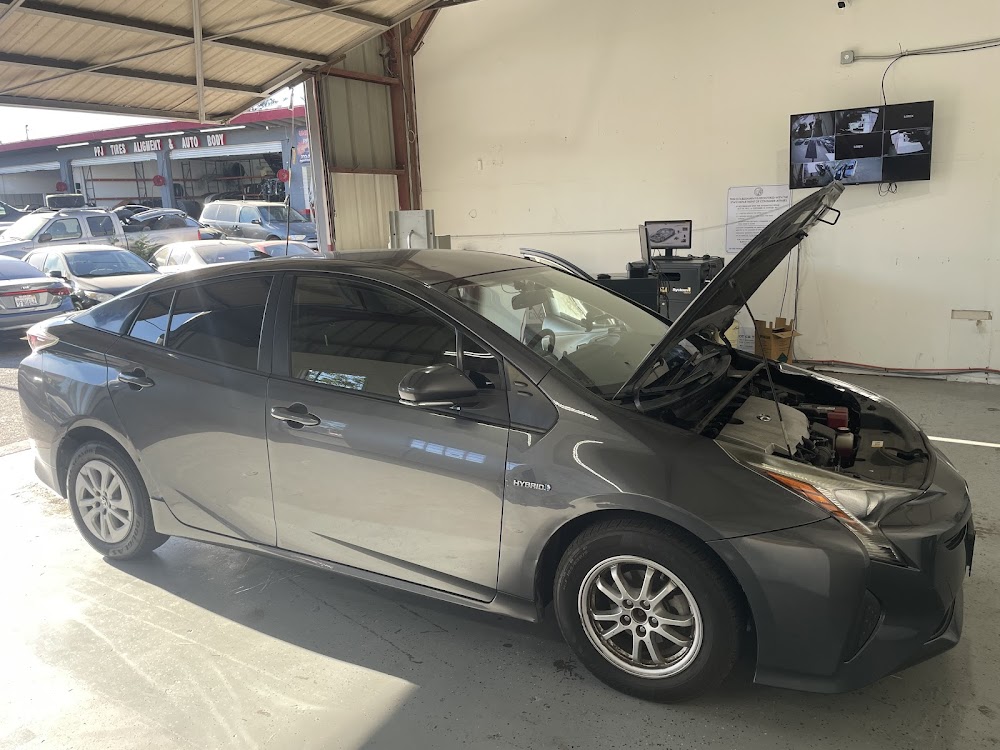
Hybrid Smog Test Station: A Complete Guide for Hybrid Vehicle Owners
Introduction
Hybrid vehicles have become a popular choice among environmentally conscious drivers and those looking to save on fuel costs. With their combination of internal combustion engines and electric motors, hybrids offer improved fuel efficiency and reduced emissions. However, just like traditional gasoline-powered vehicles, hybrids are subject to smog regulations in many states—especially in places like California. That’s where Hybrid Smog Test Stations come into play.
This comprehensive guide explores everything you need to know about hybrid smog test stations, including how smog checks work for hybrids, when you need one, what the process involves, cost factors, and how to find a reliable smog test location near you.
What Is a Hybrid Smog Test Station?
A Hybrid Smog Test Station is a certified facility authorized by the state (e.g., California Bureau of Automotive Repair or BAR) to conduct smog inspections specifically for hybrid vehicles. Unlike conventional vehicles, hybrids operate differently and require specific testing protocols to accurately measure emissions.
Smog stations may be licensed as:
- Test-Only Stations
- Test-and-Repair Stations
- STAR-Certified Stations
Only certain stations are equipped and authorized to properly inspect hybrid vehicles due to the additional complexities involved in testing their emissions.
Why Hybrids Need Smog Checks
Many hybrid vehicle owners assume that their cars are exempt from emissions testing due to their cleaner operation. While it’s true that hybrids are more environmentally friendly than conventional gas vehicles, they are not fully exempt from smog regulations.
Key Reasons for Hybrid Smog Tests:
- Combustion Engine Use: Even though hybrids rely partly on electric power, they still use gasoline engines which emit pollutants.
- State Regulations: In states like California, hybrids manufactured after a certain year are subject to biennial (every two years) smog checks.
- Pollution Control: Ensuring that hybrid emission systems are functioning properly helps reduce air pollution and maintain air quality standards.
- Resale Requirements: Selling a hybrid vehicle often requires a valid smog certificate.
- Registration Renewal: In many jurisdictions, vehicle registration cannot be renewed without a passed smog check.
When Do Hybrid Vehicles Require Smog Checks?
The smog check requirement depends on the model year of your hybrid and your state of registration.
In California:
- New Hybrids (within 8 model years) are exempt.
- Hybrids 9 years or older must pass a smog check every 2 years.
- When selling your hybrid, a valid smog certificate is required if the vehicle is over 4 years old.
Example: A 2016 Toyota Prius in California will require its first smog check in 2025.
Other States:
Each state has its own rules. States like Nevada, Arizona, and New York also mandate emissions testing for hybrids under certain conditions. Check with your local DMV for specific guidelines.
How Is a Hybrid Smog Check Different?
Hybrid vehicles operate differently from traditional cars. They can shut off their engines while idling and may run purely on electric power at lower speeds. This makes it more challenging to test emissions accurately using standard smog test procedures.
Specialized Hybrid Smog Testing Procedures:
- OBD-II Diagnostics:
- Most hybrid smog tests rely on the On-Board Diagnostics system to evaluate emission performance.
- Technicians connect to your car’s OBD-II port to retrieve emissions-related data.
- Engine Activation:
- Some hybrids keep the engine off during idle, so technicians may need to force the gasoline engine to run during testing.
- Drive Cycles:
- Certain hybrids require a complete “drive cycle” to set readiness monitors. Without this, the car may fail the test for incomplete data.
- No Tailpipe Test (Most Cases):
- Unlike older vehicles, hybrids typically do not require a tailpipe emissions test, unless the OBD system fails or the vehicle is particularly old.
What Happens During a Hybrid Smog Test?
Here’s what you can expect when you take your hybrid vehicle to a smog test station:
Step-by-Step Process:
- Check-In:
- Provide your vehicle registration and inform the technician it’s a hybrid.
- Visual Inspection:
- The technician checks for proper connections, emission control components, and signs of tampering.
- OBD-II Scan:
- Your vehicle’s onboard computer is scanned for emissions system codes and readiness monitors.
- Functional Tests (if required):
- This could include gas cap checks and visual smoke tests.
- Engine Start (if necessary):
- The technician may force the gasoline engine to run to ensure accurate emissions data.
- Results:
- If your vehicle passes, you receive a Vehicle Inspection Report (VIR) and your results are sent to the DMV electronically.
Common Reasons Hybrids Fail Smog Tests
While hybrids are designed for efficiency, they are not immune to smog test failures. Here are common failure causes:
- Incomplete Readiness Monitors:
- If the vehicle hasn’t completed a full drive cycle, certain systems may not be “ready” for testing.
- Check Engine Light (CEL):
- Any illuminated CEL is an automatic failure.
- Faulty Sensors:
- Malfunctioning oxygen sensors or evaporative emissions control systems can trigger failure.
- Battery Disconnect:
- Disconnecting the hybrid battery or 12V battery may reset monitors, making them appear incomplete.
How to Prepare Your Hybrid for a Smog Test
A few proactive steps can improve your chances of passing:
- Drive Regularly Before the Test:
- Complete a few long trips (20+ miles) in varied conditions to help reset readiness monitors.
- Don’t Clear Codes Before Testing:
- Resetting the computer or disconnecting the battery will delay readiness and likely cause a fail.
- Fix the Check Engine Light:
- Always diagnose and repair any engine-related issues before a smog test.
- Use a Code Scanner:
- Consider using a basic OBD-II scanner to check for trouble codes and monitor readiness.
- Keep Maintenance Up-To-Date:
- Regular oil changes, air filter replacements, and spark plug checks can help emissions performance.
Cost of a Hybrid Smog Check
Smog test costs vary by region and station type. On average:
- California: $40–$70
- Nevada/Arizona: $20–$50
- STAR-Certified Station: Usually at the higher end of the price range
- Discount Offers: Many smog stations offer coupons or deals, especially online.
Tip: Search for “hybrid smog test near me + coupon” to find savings in your area.
Where to Find a Hybrid Smog Test Station
Not all smog stations are hybrid-ready. Here’s how to locate the right one:
1. Use State Resources:
- In California, visit BAR.ca.gov and use the Smog Check Station Locator to find STAR stations or Test-Only stations that handle hybrids.
2. Google Search:
- Use terms like:
- “Hybrid smog test near me”
- “Prius smog check station [your city]”
- “Hybrid STAR smog check [ZIP code]”
3. Yelp & Google Reviews:
- Look for high-rated hybrid smog stations with fast service and fair pricing.
4. Auto Repair Shops:
- Some repair shops double as test-and-repair stations certified for hybrids.
STAR-Certified Smog Stations for Hybrids
A STAR station meets higher performance standards and is monitored by the state. If your hybrid is directed to a STAR station (as part of a random or high-emitter program), you must use one for testing.
Benefits of STAR Stations:
- Qualified to test all vehicles, including hybrids.
- Typically more experienced in handling emissions issues.
- Often quicker turnaround and electronic transmission to DMV.
Do Plug-In Hybrids (PHEVs) Need Smog Tests?
Yes, in most cases. Plug-in hybrid vehicles, like the Chevrolet Volt or Toyota Prius Prime, still use gasoline engines and fall under the same emissions testing rules as regular hybrids.
PHEVs with extended electric-only range may need more preparation since their engines operate less frequently. Ensure the engine runs regularly to set readiness monitors before a test.
Hybrid Smog Test Myths Debunked
Myth #1: “My hybrid is electric, so I don’t need a smog test.”
Reality: All hybrids that use gasoline engines are subject to emissions laws.
Myth #2: “If I disconnect the battery, it will reset problems.”
Reality: It will reset readiness monitors, possibly leading to an automatic fail.
Myth #3: “Only old cars need smog tests.”
Reality: In many states, hybrids as new as 8–9 years old require biennial tests.
Frequently Asked Questions (FAQs)
Q1: How often do hybrids need a smog check?
A: Typically every 2 years once they are 8+ years old (varies by state).
Q2: Can my hybrid fail a smog test?
A: Yes, due to incomplete monitors, CEL, or failed sensors.
Q3: What do I do if my hybrid fails?
A: Take it to a test-and-repair station or mechanic to resolve issues and retest.
Q4: Is the smog test process longer for hybrids?
A: Sometimes. If the engine won’t start automatically, the technician may need extra time.
Q5: Can I do a smog test during oil changes or tune-ups?
A: Only if the facility is certified for hybrid smog testing. Always confirm in advance.
Conclusion
Hybrid vehicles are cleaner and more efficient, but they still require regular smog inspections as they age. Understanding the hybrid smog test process ensures you stay compliant, avoid penalties, and keep your car running cleanly. Use certified smog stations, maintain your vehicle, and don’t ignore warning lights to pass on the first try.
Whether you drive a Prius, Accord Hybrid, or a plug-in vehicle, staying informed about smog check requirements will save you time, money, and hassle. Look for a certified Hybrid Smog Test Station near you, and keep your eco-friendly ride in top shape—both on the road and in the air we breathe.