
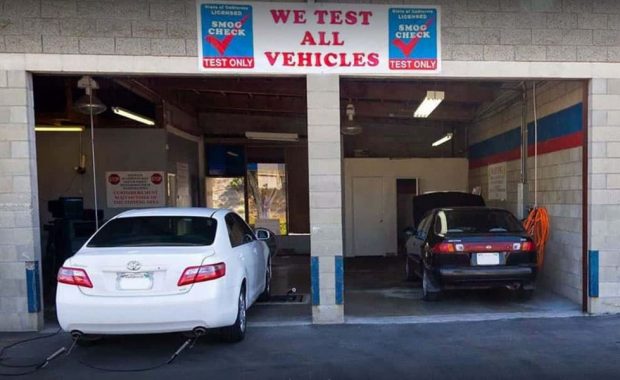
Smog Check Near Me: A Complete Guide to Emissions Testing in Your Area
Introduction
Air pollution is a major concern in urban areas across the globe. One of the key contributors to this pollution is vehicle emissions. To combat this issue, many states and regions have implemented smog check programs that ensure vehicles on the road meet environmental standards. If you’re searching for a “smog check near me,” this article will provide you with everything you need to know—from the basics of smog checks to how to find a reliable local station.
Table of Contents
- What is a Smog Check?
- Why Are Smog Checks Important?
- Who Requires a Smog Check?
- States That Require Smog Checks
- How to Find a Smog Check Near Me
- Types of Smog Check Stations
- How Smog Tests Are Conducted
- Common Reasons Vehicles Fail Smog Checks
- Tips to Pass a Smog Test
- Cost of a Smog Check
- What Happens If You Fail a Smog Test?
- Smog Check Exemptions
- How Often Should You Get a Smog Test?
- What Happens After You Pass?
- Conclusion
1. What is a Smog Check?
A smog check, also called an emissions test or vehicle emissions inspection, is a procedure that evaluates a car’s emission system to ensure it complies with environmental regulations. These tests are designed to measure the pollutants being released by your vehicle and determine if they fall within the allowable limits set by state or federal laws.
2. Why Are Smog Checks Important?
Smog checks help to:
- Reduce air pollution: Vehicles emit carbon monoxide, hydrocarbons, and nitrogen oxides, all of which contribute to smog formation.
- Promote cleaner air: Smog testing ensures only clean-running cars are allowed on the road.
- Protect public health: Pollutants from vehicle exhausts can aggravate respiratory issues and other health problems.
- Encourage proper vehicle maintenance: Smog checks can uncover mechanical problems that affect fuel efficiency and engine performance.
3. Who Requires a Smog Check?
Typically, the following vehicles need a smog test:
- Gasoline-powered vehicles older than a certain model year (usually 6–8 years old)
- Diesel-powered vehicles weighing less than 14,000 pounds
- Vehicles registered in specific ZIP codes or counties
- Out-of-state vehicles registering in a smog-check state for the first time
Hybrid vehicles and some electric vehicles may also require emissions checks, depending on local laws.
4. States That Require Smog Checks
Not all states require smog checks, but those with significant air quality concerns often do. States with mandatory or conditional smog testing include:
- California
- Nevada
- Arizona
- Colorado
- Oregon
- Washington
- Utah
- Illinois
- New York
- New Jersey
- Texas
- Connecticut
- Massachusetts
- Georgia (Atlanta metro area)
- Pennsylvania (select counties)
Always check with your local DMV or equivalent authority to confirm your state’s requirements.
5. How to Find a Smog Check Near Me
1. Use Online Tools
Search engines and map services like Google Maps or Apple Maps are great for finding nearby smog check stations. Just search for “smog check near me” or “smog station near [your ZIP code]”.
2. Check the DMV Website
Most state DMVs list certified smog check stations and allow you to filter by ZIP code or city.
3. Third-Party Websites
Sites like Yelp, SmogTips.com, and RepairPal offer customer reviews and ratings for smog stations near you.
4. Mobile Apps
Apps like “Smog Check” or “MyCarfax” can help you locate local stations, view your vehicle’s emission test history, and schedule appointments.
6. Types of Smog Check Stations
There are several types of smog testing centers:
1. Test-Only Stations
These perform smog checks but do not perform repairs. Ideal for unbiased testing.
2. Test-and-Repair Stations
These stations can test and fix your vehicle if it fails. Convenient, but not always the most impartial.
3. Gold Shield/STAR Stations (California)
Specially certified by the Bureau of Automotive Repair, STAR stations meet higher performance standards.
7. How Smog Tests Are Conducted
Smog testing varies by state and vehicle type but generally includes:
- Visual inspection of emissions control components
- Functional tests such as the gas cap pressure test or check engine light verification
- Tailpipe emissions test (for older vehicles)
- OBD-II diagnostic scan (for 1996 and newer cars)
The process usually takes 15–30 minutes.
8. Common Reasons Vehicles Fail Smog Checks
Here are the most frequent culprits behind a failed smog check:
- Check engine light is on
- Faulty oxygen sensor
- Leaking gas cap
- Worn spark plugs
- Dirty air filter
- Failing catalytic converter
- Rich or lean fuel mixture
- EVAP system leaks
9. Tips to Pass a Smog Test
Follow these strategies to improve your odds of passing:
- Drive your car regularly before the test to ensure the engine is warm and all monitors are ready.
- Fix the check engine light—a glowing light is an automatic fail.
- Change the oil and air filter if dirty.
- Use a fuel additive that cleans your fuel system.
- Ensure your tires are properly inflated if your state uses a dynamometer.
- Perform routine maintenance like spark plug replacement.
- Have your battery charged—a dead battery can reset onboard diagnostics.
10. Cost of a Smog Check
Smog check prices vary by state and testing station. Typical price ranges include:
- California: $30 to $70
- Texas: $15 to $30
- Nevada: $20 to $50
- New York: $10 to $30
Some stations offer discount coupons or free retests, especially if repairs are done onsite.
11. What Happens If You Fail a Smog Test?
If your vehicle fails, here’s what you should do:
- Get a diagnostic: The testing station may identify the issue or recommend a repair facility.
- Repair the vehicle: Use a certified mechanic to fix emissions-related problems.
- Retest the vehicle: Many states offer a free retest if it’s done within 30 days.
- Apply for financial assistance or a waiver: California and some other states provide repair cost assistance for low-income drivers.
12. Smog Check Exemptions
Some vehicles may be exempt from emissions testing:
- Gasoline vehicles under 6 model years old
- Electric vehicles (EVs)
- Diesel vehicles over 14,000 pounds
- Classic cars (1975 and older in California)
- Motorcycles (varies by state)
Always verify local exemptions with your state DMV.
13. How Often Should You Get a Smog Test?
Testing frequency varies depending on your state, vehicle type, and location. Typical guidelines include:
- Every 2 years for most vehicles in California and Nevada
- Annually in some jurisdictions like New York City
- Upon vehicle registration for out-of-state or used vehicles
- After certain repairs or check engine light resets
14. What Happens After You Pass?
Once your vehicle passes the smog check:
- The testing station sends the results electronically to the DMV.
- You’ll receive a certificate of compliance if required.
- You can proceed with your vehicle registration renewal or initial registration.
Be sure to keep a copy of your results for your records.
15. Conclusion
A smog check isn’t just a bureaucratic hurdle—it’s a vital part of environmental responsibility. By ensuring your vehicle meets emissions standards, you’re contributing to cleaner air and healthier communities. If you’re searching for a “smog check near me,” remember to choose a certified station, maintain your vehicle regularly, and stay informed about local regulations.
Whether you’re driving a 10-year-old sedan or a late-model hybrid, staying on top of emissions compliance not only keeps you legal—it keeps the planet greener.