
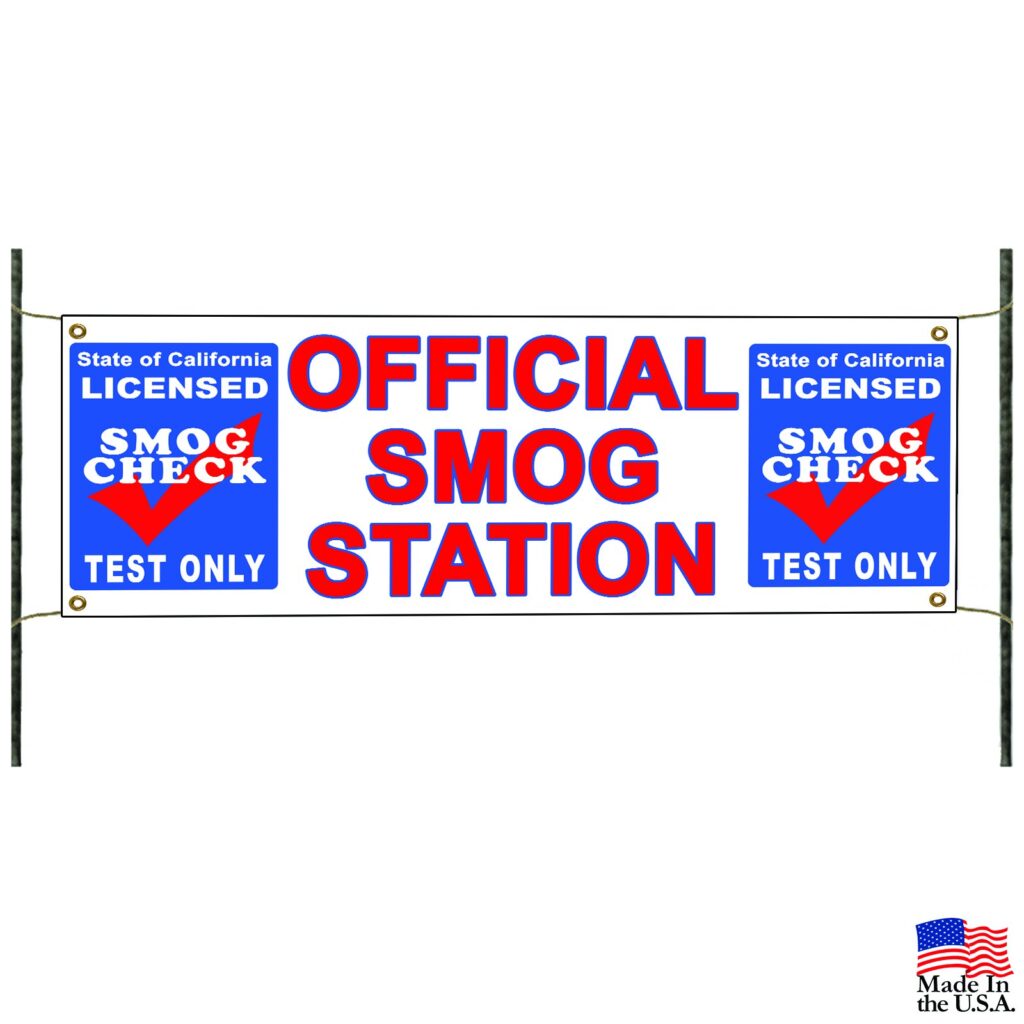
Air pollution is a growing concern worldwide, with vehicle emissions being one of the leading contributors to poor air quality. To combat this, many regions have implemented smog inspection programs, requiring vehicles to undergo regular emissions testing. Smog inspection stations play a crucial role in ensuring that vehicles meet environmental standards, reducing harmful pollutants, and promoting cleaner air.
This comprehensive article explores smog inspection stations, their purpose, how they operate, the types of tests conducted, and their impact on the environment and public health. Additionally, we will discuss the regulations governing these inspections, common reasons for failure, and tips for passing a smog check.
1. What Are Smog Inspection Stations?
Smog inspection stations, also known as emissions testing centers, are facilities authorized to conduct vehicle emissions tests to ensure compliance with state and federal air quality regulations. These inspections are mandatory in many areas, particularly in states with high levels of air pollution, such as California, New York, and Texas.
Purpose of Smog Inspections
- Reduce Air Pollution: Vehicles emit harmful pollutants like nitrogen oxides (NOx), carbon monoxide (CO), and hydrocarbons (HC). Smog checks help identify and repair high-emission vehicles.
- Compliance with Environmental Laws: States enforce smog inspections to meet the requirements of the Clean Air Act.
- Improve Public Health: Lowering vehicle emissions reduces respiratory illnesses and other health problems caused by poor air quality.
2. How Smog Inspection Stations Operate
Smog inspection stations follow standardized procedures to test vehicle emissions. The process varies slightly depending on the state and the type of vehicle being tested.
Types of Smog Tests
- Tailpipe Emissions Test:
- Measures the levels of pollutants exiting the exhaust.
- Common for older vehicles (pre-OBD-II systems).
- On-Board Diagnostics (OBD-II) Test:
- Scans the vehicle’s computer for emission-related faults.
- Used for most modern vehicles (1996 and newer).
- Visual Inspection:
- Checks for the presence and proper functioning of emission control components (e.g., catalytic converter, gas cap).
- Functional Tests:
- Ensures components like the exhaust gas recirculation (EGR) system and evaporative emissions system are working correctly.
Steps in a Smog Inspection
- Vehicle Registration Check: The inspector verifies the car’s make, model, and year.
- Visual Inspection: The technician examines emission control parts.
- Functional Tests: If applicable, certain systems are tested.
- Emissions Test: Either a tailpipe test or OBD-II scan is performed.
- Results & Certification: If the vehicle passes, a certificate is issued. If it fails, repairs are required before retesting.
3. Regulations Governing Smog Inspections
Smog inspection requirements vary by state, but they are generally influenced by the Environmental Protection Agency (EPA) and the Clean Air Act.
States with Mandatory Smog Checks
- California – Strictest regulations, requiring biennial smog checks for most vehicles.
- New York – Annual inspections, including emissions testing.
- Texas – Required in certain counties with air quality concerns.
- Pennsylvania, New Jersey, and others – Emissions testing based on vehicle age and location.
Exemptions
- Electric vehicles (EVs) – No tailpipe emissions.
- Hybrids – Often exempt or subject to reduced testing.
- Classic cars – Vehicles over a certain age (e.g., 25+ years) may be exempt.
- Diesel vehicles – Some states have separate testing protocols.
4. Why Do Vehicles Fail Smog Inspections?
Common reasons for failing a smog check include:
A. High Emissions Levels
- Rich fuel mixture (excess hydrocarbons or carbon monoxide).
- Faulty oxygen sensor – Affects fuel efficiency and emissions.
- Malfunctioning catalytic converter – Fails to reduce harmful gases.
B. OBD-II System Errors
- Check Engine Light (CEL) on – Automatic failure in most states.
- Pending or stored trouble codes – Indicate unresolved emission issues.
C. Missing or Modified Components
- Tampered emissions systems – Removing the catalytic converter is illegal.
- Aftermarket modifications – Some performance parts may increase emissions.
D. Fuel System Issues
- Loose or damaged gas cap – Causes evaporative emissions leaks.
- Fuel injector problems – Lead to incomplete combustion.
E. Poor Maintenance
- Dirty air filter – Restricts airflow, increasing emissions.
- Old spark plugs – Cause misfires and higher pollution levels.
5. How to Pass a Smog Inspection
To increase the chances of passing a smog test, follow these tips:
A. Pre-Inspection Maintenance
- Change the oil – Dirty oil can increase emissions.
- Replace the air filter – Ensures proper air-fuel mixture.
- Check spark plugs and wires – Prevents misfires.
B. Drive the Vehicle Before Testing
- A warm engine performs better in emissions tests.
- Highway driving helps burn off carbon deposits.
C. Fix Known Issues
- Address Check Engine Light codes before testing.
- Repair exhaust leaks – Can skew emissions readings.
D. Use Fuel Additives (If Needed)
- Some additives help clean the fuel system and reduce emissions.
E. Ensure Gas Cap is Secure
- A loose or faulty gas cap is an easy fix but a common failure point.
6. The Impact of Smog Inspection Stations
A. Environmental Benefits
- Reduced greenhouse gas emissions.
- Lower smog formation (ground-level ozone).
- Improved air quality in urban areas.
B. Public Health Improvements
- Fewer respiratory diseases (asthma, bronchitis).
- Decreased risk of cardiovascular problems.
C. Economic Effects
- Creates jobs for smog check technicians.
- Encourages auto repair industry growth (for emissions-related fixes).
7. The Future of Smog Inspection Stations
As technology evolves, smog inspection methods may change:
A. Remote Sensing Technology
- Some states are testing roadside sensors that measure emissions as vehicles pass by.
B. Stricter Regulations for Older Vehicles
- Older cars may face more stringent testing or incentives for retirement.
C. Shift to Electric Vehicles (EVs)
- With more EVs on the road, traditional smog checks may decline.
D. Enhanced OBD-III Systems
- Future vehicles may transmit emissions data wirelessly to regulators.
Conclusion
Smog inspection stations are essential in the fight against air pollution. By ensuring vehicles meet emissions standards, they help protect public health and the environment. While smog checks can be inconvenient for some drivers, their benefits far outweigh the minor hassle.
Regular vehicle maintenance, adherence to emissions regulations, and advancements in clean vehicle technology will continue to reduce pollution levels. As we move toward a greener future, smog inspection stations will adapt, but their core mission—keeping our air clean—will remain vital.
By understanding how smog inspections work and taking proactive steps to maintain our vehicles, we can all contribute to a healthier, cleaner atmosphere.