
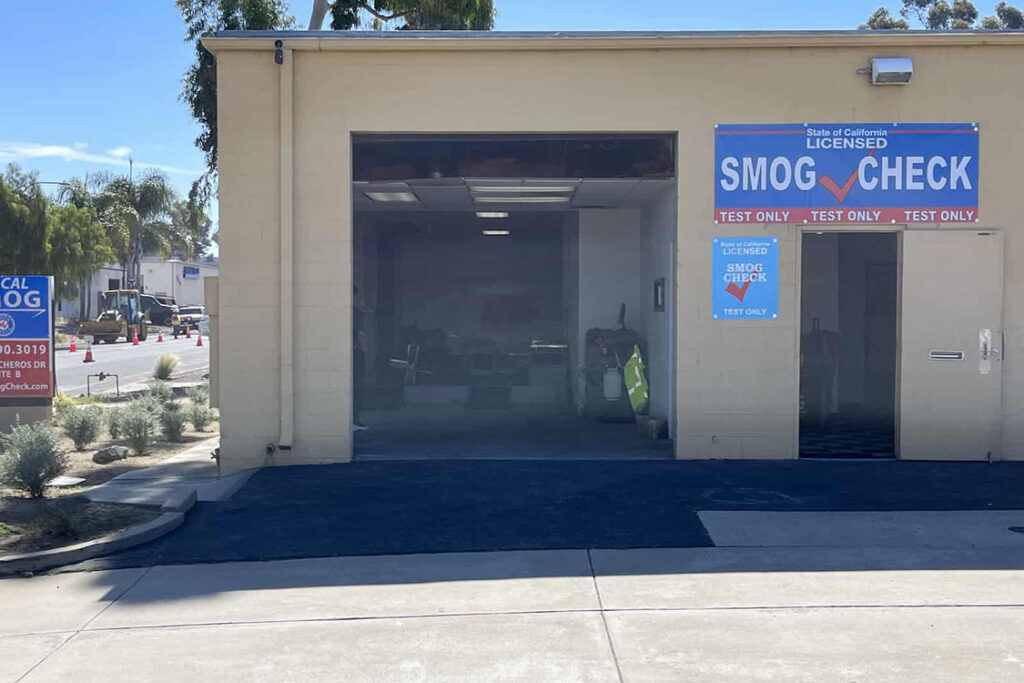
Smog Shop Near Me: A Comprehensive Guide to Finding the Best Local Emissions Testing Center
Introduction
As vehicle emissions regulations become increasingly strict, regular smog checks have become a crucial part of car ownership in many states. Whether you’re renewing your registration, buying a used vehicle, or just keeping your car road-legal, finding a reliable and affordable smog shop near you is essential.
In this in-depth guide, we’ll cover everything you need to know about smog shops near you—what they are, the services they provide, how to choose the best one, what to expect during an emissions test, and how to ensure your vehicle passes the first time. With tips, resources, and practical advice, this article is your go-to source for all things smog check-related.
Table of Contents
- What Is a Smog Shop?
- Why You Need a Smog Check
- Types of Smog Stations
- How to Find a Smog Shop Near You
- What Happens During a Smog Check?
- Common Reasons for Failing
- How to Prepare Your Vehicle
- What to Do If Your Vehicle Fails
- Choosing the Right Smog Shop
- Smog Check Costs: What to Expect
- Discounts and Deals
- Smog Exemptions and Special Cases
- FAQs
- Conclusion
1. What Is a Smog Shop?
A smog shop, also known as a smog check station or emissions test center, is a facility certified by state authorities to inspect a vehicle’s exhaust system for compliance with air quality standards. These facilities are equipped with diagnostic tools and emissions testing machines to evaluate how much pollution your vehicle emits.
Depending on the state (such as California), a smog shop may also be licensed as:
- Test-Only Station
- Test-and-Repair Station
- STAR-Certified Station
- Repair-Only Station
2. Why You Need a Smog Check
Smog checks are required by law in many areas to ensure vehicles meet emissions standards. These regulations are designed to reduce harmful pollutants such as carbon monoxide (CO), hydrocarbons (HC), and nitrogen oxides (NOx), which contribute to smog and poor air quality.
Common reasons for needing a smog check:
- Registration renewal
- Vehicle title transfer
- Out-of-state vehicle registration
- Resale of used vehicles
- State-mandated intervals (every 1-2 years)
Failing to get your smog check on time can result in fines, registration holds, and legal penalties.
3. Types of Smog Stations
There are several types of smog stations. Knowing the difference can help you select the right one based on your vehicle and situation:
Test-Only Stations
These only perform the emissions test. They are unbiased since they do not profit from repairs.
Test-and-Repair Stations
These stations can test your vehicle and perform any necessary repairs to help it pass.
STAR-Certified Stations
Required for certain high-risk or older vehicles. These stations meet higher performance standards and can be test-only or test-and-repair.
Repair-Only Stations
These shops fix vehicles that failed a smog check but cannot conduct the test themselves.
4. How to Find a Smog Shop Near You
Finding a reputable smog shop near you is easier than ever thanks to online tools and apps.
Top Methods:
- Google Maps: Search “smog shop near me” or “smog check near me.”
- Yelp/Angie’s List: Look for reviews and ratings.
- State DMV/Smog Check Program Websites: These often include certified station locators.
- Third-Party Aggregators: Websites like SmogTips.com or SmogTestLocator.com can help.
What to Look For:
- Certification (STAR, Test-Only, etc.)
- High customer ratings
- Transparent pricing
- Convenient location and hours
- Same-day service availability
5. What Happens During a Smog Check?
The process varies slightly by location, vehicle age, and technology, but generally includes:
- Visual Inspection – Checking for missing or tampered emissions components.
- Functional Tests – Testing EGR valve, oxygen sensors, and gas cap.
- Tailpipe Emissions Test – Measuring pollutants directly from the exhaust.
- On-Board Diagnostics (OBD-II) – For 1996 and newer vehicles, checking codes and emissions readiness.
The whole test typically takes 15–30 minutes.
6. Common Reasons for Failing
Failing a smog check is frustrating but common. Typical reasons include:
- Check Engine Light is on
- Faulty oxygen sensors
- Dirty air filters
- Bad spark plugs or wires
- Malfunctioning EGR or catalytic converter
- Vacuum leaks or misfires
- Recent battery disconnect (resets OBD readiness)
7. How to Prepare Your Vehicle
To avoid surprises, follow these steps before your smog test:
- Drive at least 100–200 miles after repairs or battery disconnection.
- Fix the Check Engine Light (even if it seems minor).
- Perform an oil change if it’s overdue.
- Inflate tires properly and warm up the engine.
- Avoid smog check during cold starts—drive 10–15 minutes first.
A basic tune-up often improves your chances of passing.
8. What to Do If Your Vehicle Fails
If your vehicle fails the test:
- Ask for a detailed report showing failure points.
- Take it to a Test-and-Repair or Repair-Only station.
- Apply for financial assistance if your state offers it.
- Ask about a waiver, especially if repair costs exceed a certain limit.
Most states allow retesting at reduced fees if you return to the same shop.
9. Choosing the Right Smog Shop
When comparing local smog shops, consider:
Reputation
Look for high ratings on Google, Yelp, or Better Business Bureau (BBB).
Pricing
Expect to pay between $30–$80 depending on the state and vehicle type. Some shops offer online coupons or discounts.
Certifications
Make sure the shop is certified to test your vehicle. Some only test certain types (e.g., gasoline vs. diesel).
Speed and Convenience
Does the shop take walk-ins or require appointments? How long is the wait?
10. Smog Check Costs: What to Expect
Pricing varies by location, vehicle type, and shop. Here’s a general idea:
| Vehicle Type | Estimated Cost |
|---|---|
| Passenger Car | $30–$70 |
| SUV/Truck | $40–$80 |
| Hybrid/Electric | $20–$60 (if required) |
| Diesel Vehicles | $50–$90 |
Note: Retest fees may apply if your car fails.
11. Discounts and Deals
To save on smog checks:
- Search for online coupons (Yelp, Groupon, or local deal sites).
- Ask about military, student, or senior discounts.
- Use loyalty programs if you go to the same auto center.
- Visit during off-peak hours or weekdays when promotions are more common.
12. Smog Exemptions and Special Cases
Not all vehicles need smog checks. Check your state’s DMV or Air Resources Board website for:
Common Exemptions:
- New vehicles (first 4–6 years, depending on the state)
- Diesel vehicles under a certain weight
- Electric and hydrogen fuel cell vehicles
- Motorcycles
- Classic or antique cars (pre-1975 in California)
13. FAQs
Q: How often do I need a smog check?
A: Usually every 1–2 years, depending on your state and vehicle age.
Q: What happens if I ignore my smog check?
A: You may face registration denial, late fees, or vehicle impound.
Q: Can I sell a car without a smog certificate?
A: Usually no, unless it’s exempt or sold as-is with buyer agreement.
Q: What is a STAR smog station?
A: STAR stations meet stricter performance standards and are often required for older or high-emission vehicles.
Q: How long does the test take?
A: 15 to 30 minutes in most cases.
14. Conclusion
Finding a reliable smog shop near you is crucial for staying compliant with state laws, protecting the environment, and maintaining your vehicle’s performance. Whether you’re a first-time smog check customer or a seasoned driver, this guide equips you with the knowledge to confidently navigate the process.
Key Takeaways:
- Use online tools like Google Maps, Yelp, and state websites to locate certified smog shops.
- Prepare your car properly to increase your chances of passing.
- Choose a reputable, certified, and affordable shop based on your vehicle’s needs.
- Watch for coupons and discounts to reduce the cost.
- Stay on schedule with your emissions tests to avoid penalties.
No matter where you live, a quick search for “smog shop near me” can connect you with dozens of options—but knowing what to look for makes all the difference. With the right preparation and information, your next smog check will be quick, easy, and stress-free.