
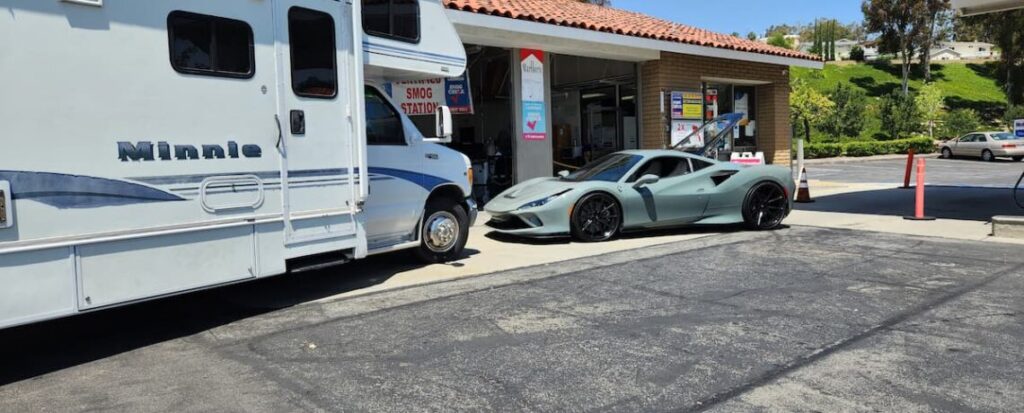
If you’ve typed “smog test near me” into a search engine recently, you’re probably due for a vehicle emissions test. Smog testing is an essential part of vehicle ownership in many regions—especially in states like California, Nevada, Arizona, and others with stringent air quality regulations. Not only is it legally required in many areas, but it also plays a crucial role in protecting the environment by ensuring vehicles are not emitting harmful pollutants into the atmosphere.
This guide will walk you through everything you need to know about smog testing—what it is, why it matters, how to find a reputable smog check station near you, what to expect during the test, how to pass it, and what to do if your vehicle fails.
What is a Smog Test?
A smog test (also known as an emissions test) is a vehicle inspection procedure designed to measure the amount of pollutants a vehicle emits. The test helps ensure that cars and trucks meet environmental standards set by federal, state, and local governments. The primary goal is to reduce air pollution and help maintain clean and breathable air.
Depending on the vehicle’s make, model, age, and your local regulations, the smog test can include various procedures, such as:
- Tailpipe emissions analysis
- On-Board Diagnostics (OBD) inspection
- Visual inspection of emissions control components
- Functional check of the gas cap, EVAP system, and other parts
Why Smog Tests Matter
1. Environmental Protection
Smog tests help identify vehicles that are releasing excessive pollutants such as nitrogen oxides (NOx), carbon monoxide (CO), hydrocarbons (HC), and particulate matter (PM). These emissions contribute to air pollution, acid rain, respiratory issues, and climate change.
2. Legal Compliance
In many states and cities, especially those with poor air quality, smog checks are legally mandated. Failing to get your car tested—or ignoring a failed test—can result in fines, registration denial, or even impounding of your vehicle.
3. Vehicle Health
Smog tests can also act as diagnostic tools. If your car fails a test, it may indicate underlying issues like a malfunctioning catalytic converter, oxygen sensor, or fuel system problem—issues that could affect performance or fuel economy.
States That Require Smog Testing
While federal guidelines are in place, smog test requirements vary significantly by state and even by county. Below are some examples of states with strict emissions testing rules:
- California: Most counties require biennial smog checks for vehicles over 8 years old.
- Nevada: Clark and Washoe counties (Las Vegas and Reno) mandate emissions testing.
- Arizona: Phoenix and Tucson metro areas require emissions testing.
- Texas: Certain urban counties mandate smog checks.
- New York: Annual safety and emissions tests are required statewide.
Always check with your state DMV or Bureau of Automotive Repair for the most current and applicable regulations.
Finding a Smog Test Near Me
When you’re looking for a local smog check station, here are some effective strategies:
1. Use Google or Bing Maps
Search phrases like “smog test near me,” “smog check station,” or “emissions testing near me” in any major search engine. These tools use your location to generate a list of nearby testing centers, complete with reviews, hours, and directions.
2. Check State DMV Websites
Most state Department of Motor Vehicles websites offer a locator tool for certified testing stations. For example, California’s BAR (Bureau of Automotive Repair) website lets you find STAR-certified smog stations based on your ZIP code.
3. Yelp and Review Platforms
Yelp, Google Reviews, and other platforms provide detailed reviews, ratings, and photos of smog check centers near you. Look for shops with consistently good feedback, quick service, and fair pricing.
4. Ask for Recommendations
Word-of-mouth referrals from friends, coworkers, or neighbors can also lead you to trustworthy, efficient smog check locations.
Types of Smog Check Stations
Not all smog check facilities are the same. Here are the main types you might encounter:
1. Test-Only Stations
These facilities only perform smog checks—they do not offer repairs. This helps ensure unbiased results because they have no financial incentive to fail your vehicle.
2. Test-and-Repair Stations
These locations can both test and repair your vehicle if it fails. While convenient, it’s crucial to choose a reputable shop to avoid unnecessary or inflated repair charges.
3. STAR-Certified Stations (California)
STAR stations meet higher performance standards set by the Bureau of Automotive Repair. Some vehicles are specifically required to test at STAR stations based on their registration status.
What Happens During a Smog Test?
The procedure varies depending on your vehicle’s age, location, and the type of smog check station, but here’s a general overview of what happens:
1. Vehicle Information and Registration
The technician checks your vehicle’s VIN, registration, and possibly your driver’s license.
2. Visual Inspection
The technician examines the emissions system components for tampering or damage.
3. Functional Tests
This may include:
- Gas cap pressure test
- EVAP system check
- Catalytic converter verification
4. Tailpipe Emissions Test
Older vehicles (typically pre-1996) may undergo a test using a probe inserted into the tailpipe to measure pollutants under different conditions (idle and at 2500 RPM).
5. OBD-II Inspection
Newer vehicles (1996 and later) are tested via the On-Board Diagnostic system, which checks the emissions-related trouble codes and readiness monitors.
6. Results and Report
You’ll receive a pass or fail result. If your vehicle passes, the results are sent to the DMV electronically. If it fails, you’ll be given a printout showing why.
Common Reasons for Failing a Smog Test
- Check Engine Light On
If your CEL is on, you’ll automatically fail in most cases. - Faulty Oxygen Sensor
A failing O2 sensor can cause rich or lean fuel mixtures. - Worn Spark Plugs
Misfiring spark plugs can increase hydrocarbon emissions. - Dirty Air Filter
An old, clogged air filter can throw off your air-fuel ratio. - Malfunctioning Catalytic Converter
A faulty cat converter can’t effectively convert harmful emissions. - Leaking or Loose Gas Cap
A bad seal in the gas cap can trigger OBD error codes.
How to Pass a Smog Test
1. Drive Your Car Before the Test
Warm up your engine by driving for at least 15–20 minutes before the test. This helps sensors and catalytic converters function optimally.
2. Fix the Check Engine Light
Use an OBD-II scanner to check for diagnostic codes. Repair the underlying issue before testing.
3. Perform Routine Maintenance
Change the oil, replace dirty filters, and inspect spark plugs and wires.
4. Use Fuel Additives (if needed)
Some additives help reduce emissions and clean injectors. These are temporary aids, not long-term solutions.
5. Don’t Disconnect the Battery
Doing so clears OBD memory. Drive your vehicle at least 100–150 miles after any reset so readiness monitors can complete their cycles.
What If You Fail the Smog Test?
If your vehicle fails, here’s what you should do next:
1. Get a Diagnostic Report
The smog station will provide a Vehicle Inspection Report (VIR) outlining why the car failed.
2. Repair the Problem
You can either take the car to a test-and-repair shop or a separate repair facility. For serious issues, visit a certified emissions specialist.
3. Apply for a Waiver (if applicable)
Some states offer waivers if you’ve spent a certain amount on repairs but still can’t pass. Check with your DMV for details.
4. Retest Your Vehicle
Once repaired, return to a smog station for a recheck. Some shops offer free or discounted retests within 30 days.
Smog Check Costs
Prices vary based on location, vehicle type, and station type:
- Standard Test: $30–$70
- STAR Certified: Slightly higher, around $60–$80
- Re-tests: $20–$40 (or free at some stations)
- Repairs: Vary widely based on the issue
You can often find coupons online or on platforms like Yelp, Groupon, or local directories.
Exemptions from Smog Testing
Some vehicles may be exempt, including:
- Gasoline-powered cars under 8 years old (in CA)
- Electric vehicles
- Diesel vehicles under a certain weight
- Classic cars (usually 1975 or older)
- Motorcycles (in many states)
Always confirm your vehicle’s eligibility on your state’s DMV website.
Conclusion: Smog Test Near Me – Stay Compliant, Drive Clean
Searching for a “smog test near me” is about more than just ticking off a DMV requirement—it’s a vital step toward cleaner air and a healthier environment. Whether you’re in a smog-heavy state like California or a less regulated region, understanding the importance of emissions checks and how to properly prepare for one will save you time, money, and hassle.
So next time you’re due for an emissions test, remember:
- Locate a reliable smog check station near you.
- Prepare your vehicle to increase your chances of passing.
- Use your smog test as a checkup for your car’s overall health.
Stay legal, stay safe—and help keep the air clean for everyone.