
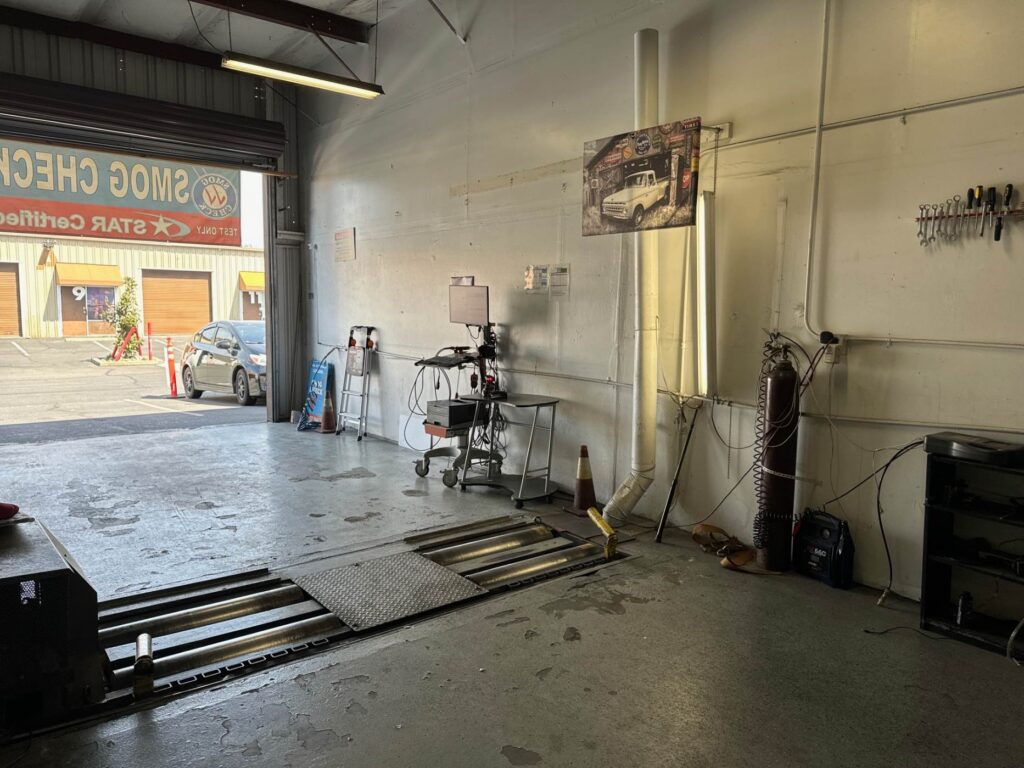
Vehicle Smog Test: Everything You Need to Know
In recent decades, air pollution has become a major environmental and public health concern worldwide. One significant contributor to air pollution is vehicle emissions, especially from older and poorly maintained vehicles. To combat this problem and improve air quality, many governments have implemented smog tests (also known as emissions tests or inspections) for vehicles. This article will provide an in-depth overview of vehicle smog tests, why they matter, how they are conducted, and how you can prepare your vehicle to pass the test successfully.
What is a Vehicle Smog Test?
A vehicle smog test is an inspection designed to measure the amount and type of pollutants that a vehicle emits from its exhaust system. The main goal is to ensure that vehicles on the road meet the required emission standards set by regulatory authorities. Smog tests are often mandated by law for vehicles of a certain age or registration status, especially in urban areas where air quality tends to be worse.
The term “smog” comes from a combination of “smoke” and “fog,” describing a type of air pollution that consists of ground-level ozone, particulate matter, and other harmful substances. Vehicle emissions contribute significantly to smog formation, especially nitrogen oxides (NOx), carbon monoxide (CO), volatile organic compounds (VOCs), and particulate matter (PM).
Why are Smog Tests Important?
- Protecting Public Health: Vehicle emissions contain harmful pollutants such as carbon monoxide, nitrogen oxides, and hydrocarbons. Exposure to these can cause respiratory issues, cardiovascular diseases, and worsen conditions like asthma. Smog tests help reduce these pollutants by ensuring vehicles are running cleanly.
- Environmental Protection: Pollutants from vehicle exhaust contribute to the formation of smog and acid rain, which harm plants, wildlife, and water bodies. Controlling vehicle emissions through smog tests helps mitigate these environmental damages.
- Legal Compliance: Many states and countries require smog testing as part of vehicle registration or sale. Compliance ensures that you meet local laws and avoid fines or penalties.
- Fuel Efficiency and Vehicle Performance: Vehicles that pass smog tests are generally better maintained, running more efficiently and consuming less fuel. This can save money in the long run.
- Early Detection of Mechanical Problems: Smog tests can identify problems in the engine or emissions control system early, preventing costly repairs later.
What Vehicles Require Smog Tests?
The specific requirements for smog tests vary widely depending on the jurisdiction. Factors include the vehicle’s age, type, and usage, as well as local air quality regulations. Common criteria include:
- Age of Vehicle: Most states require smog testing for gasoline-powered vehicles older than 4 or 5 years, and before registration renewals after a certain age (often 6 years or more).
- Type of Fuel: Gasoline and diesel vehicles often have different testing requirements. Some areas exempt electric vehicles, hybrids, or motorcycles.
- Geographic Location: Urban and high-pollution areas usually have stricter smog testing rules compared to rural areas.
- Transfer of Ownership: Many states require a smog test when selling or transferring a vehicle to a new owner.
For example, in California—a state known for its strict emissions standards—most gasoline-powered vehicles that are between 6 and 30 years old require biennial smog tests.
Common Pollutants Tested
Smog tests typically measure or evaluate emissions of several key pollutants:
- Carbon Monoxide (CO): A poisonous gas produced by incomplete combustion of fuel.
- Nitrogen Oxides (NOx): Gases that contribute to smog and acid rain, harmful to lungs.
- Hydrocarbons (HC) or Volatile Organic Compounds (VOCs): Unburned fuel components that react with NOx to form ozone.
- Particulate Matter (PM): Tiny particles that penetrate deep into the lungs, especially in diesel vehicles.
Some tests may also check the vehicle’s On-Board Diagnostics (OBD) system for trouble codes related to emissions.
Types of Smog Tests
There are several different types of smog tests, depending on the vehicle and region:
1. Tailpipe Emissions Test
This test measures the actual gases emitted from the vehicle’s exhaust while the engine is running. The vehicle is typically placed on a dynamometer (a machine that simulates road driving), and sensors measure CO, NOx, and hydrocarbons.
2. On-Board Diagnostics (OBD) Test
Modern vehicles (usually from 1996 and newer) have an OBD system that monitors engine and emissions control components. The smog test technician plugs a scanner into the OBD port to check for any error codes that indicate emissions-related problems.
3. Visual Inspection
This may involve a check of the vehicle’s emissions control devices, such as catalytic converters, fuel caps, and exhaust systems, to ensure they are present and functioning.
4. Pressure Decay or Evaporative Emission Tests
Some regions also require testing for evaporative emissions, which are fuel vapors released from the fuel system. This might include checking for leaks in fuel tanks or hoses.
The Smog Test Process: What to Expect
When you take your vehicle for a smog test, the general process usually includes:
- Appointment or Walk-in: Some smog stations accept appointments, while others offer walk-in services.
- Vehicle Information Check: The technician will ask for vehicle registration details and may inspect the vehicle for obvious modifications.
- Pre-Test Inspection: The technician might check your vehicle’s gas cap, engine light, and emission control components.
- Testing: The vehicle is tested either via tailpipe emissions or OBD system scanning, sometimes both.
- Results: If your vehicle passes, you’ll receive a certificate required for registration. If it fails, the technician will explain the reasons, and you’ll need repairs and retesting.
Common Reasons Vehicles Fail Smog Tests
Failing a smog test can be frustrating, but understanding common causes can help you avoid them:
- Check Engine Light On: If your vehicle’s check engine light is on, it’s almost certain to fail the test.
- Malfunctioning Oxygen Sensors: Faulty sensors can cause high emissions.
- Worn Spark Plugs or Ignition Components: Poor ignition can lead to incomplete combustion and excess hydrocarbons.
- Bad Catalytic Converter: This crucial emissions control device can wear out or get clogged.
- Vacuum Leaks or Fuel System Problems: These can cause irregular air/fuel mixtures and high emissions.
- Excessive Oil Consumption or Burning: Causes visible smoke and pollution.
- Dirty or Clogged Air Filter: Reduces engine efficiency.
How to Prepare Your Vehicle for a Smog Test
Proper preparation can significantly increase your chances of passing:
- Perform Regular Maintenance: Change your oil, replace air filters, and maintain your ignition system.
- Fix Check Engine Codes: Use a diagnostic tool or have a mechanic fix any error codes before testing.
- Drive the Vehicle Before the Test: Take a 15-30 minute drive at highway speeds to heat up the engine and catalytic converter, which helps reduce emissions.
- Ensure Proper Tire Pressure: Low tire pressure can affect performance and emissions.
- Avoid Testing Immediately After Repairs: Sometimes, a newly repaired vehicle may not pass immediately; allow the engine to “reset” after repairs.
- Use Fuel Additives Cautiously: Some additives claim to reduce emissions, but use them only if recommended by your mechanic.
What Happens if Your Vehicle Fails?
If your vehicle fails the smog test, don’t panic. Here are the steps you should take:
- Understand the Failure: The test report will specify which pollutants exceeded limits or what system failed.
- Get a Diagnostic Check: Visit a trusted mechanic to identify the root cause.
- Repair the Vehicle: Fix the issues based on the mechanic’s advice.
- Retest: Most jurisdictions allow one or two free or discounted retests after repairs.
- Consider Vehicle Replacement: If the vehicle is very old or repair costs are too high, it may be more economical to replace it.
Smog Test Regulations Around the World
Vehicle smog testing regulations differ worldwide depending on air quality concerns, government policies, and technology adoption:
United States
In the U.S., smog testing is primarily regulated by states. California has the most stringent requirements through its Bureau of Automotive Repair. Other states with major urban areas (like New York, Texas, and Colorado) also require smog tests. Some states exempt newer vehicles or have different schedules for diesel and gasoline vehicles.
Europe
European countries enforce strict emissions testing under the “MOT” test or equivalent, including a specific emissions component. The EU has standardized emission limits (Euro 1 to Euro 6 standards) to control pollutants from new vehicles.
Asia
Many Asian countries, especially those with large urban populations such as China, India, and Japan, enforce smog testing as part of vehicle inspections to address their severe air pollution problems.
Other Regions
Canada, Australia, and many other countries also have vehicle emissions testing programs tailored to their environmental needs.
Benefits of Smog Tests Beyond Compliance
While smog tests may seem like a regulatory hassle, their benefits extend far beyond legal compliance:
- Cleaner Air: By reducing vehicle emissions, smog tests help improve air quality and public health.
- Improved Vehicle Longevity: Emissions control components are vital to engine health, so proper maintenance can extend vehicle life.
- Better Fuel Economy: Well-tuned vehicles use fuel more efficiently, saving money.
- Informed Buyers: For used vehicles, a recent smog certificate can assure buyers of the vehicle’s condition.
- Encouraging Cleaner Technology: Emissions regulations push manufacturers to develop cleaner engines and alternative fuels.
Future Trends in Vehicle Emissions Testing
As technology evolves, vehicle emissions testing is also changing:
- Increased Use of OBD Testing: Modern vehicles with OBD systems allow quicker and more accurate emissions monitoring.
- Remote and On-Road Testing: Some regions are experimenting with remote sensing devices that measure emissions as vehicles drive by, reducing the need for stationary tests.
- Stricter Standards: Emission limits continue to tighten globally to meet climate goals.
- Electrification of Vehicles: Electric vehicles (EVs) produce zero tailpipe emissions, which could reduce the need for smog tests for these vehicles.
- Integration with Environmental Policies: Smog testing will likely be part of broader efforts to reduce greenhouse gases and promote sustainable transportation.
Conclusion
Vehicle smog tests are a crucial tool in the fight against air pollution and climate change. They help ensure that vehicles on the road meet emission standards, protecting public health and the environment. While smog tests may sometimes seem inconvenient, understanding their purpose, preparing your vehicle properly, and keeping up with maintenance can make the process smoother.
Whether you live in an area with mandatory smog testing or are considering buying a vehicle, knowing about smog tests and their requirements will help you comply with laws and contribute to cleaner air for everyone.